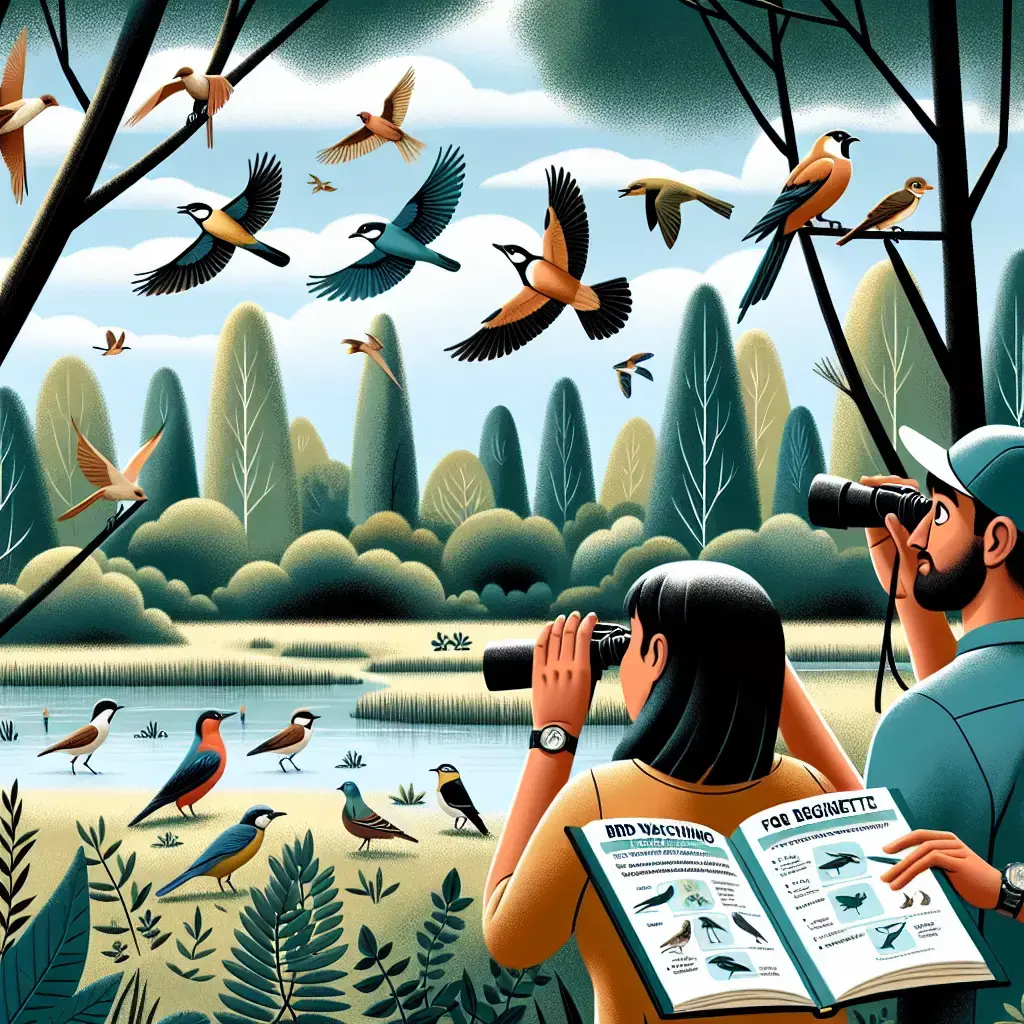
Embarking on the journey of bird watching is an enriching experience, offering enthusiasts a chance to connect with nature and witness the mesmerizing beauty of avian life. However, as newcomers venture into this world, understanding bird watching etiquette is crucial to ensure both the protection of birds and the sustainability of their habitats. This guide is designed to provide you with essential insights into respectful practices, ensuring your experiences are rewarding and environmentally conscious.
The Importance of Bird Watching Etiquette
Bird watching etiquette is the backbone of ethical birding practices. It involves understanding the delicate balance between enjoying nature and protecting it. As a beginner, it's essential to recognize that your actions can impact both wildlife and the environment. Ethical bird watching is not just about spotting birds; it's about embracing a set of principles that promote harmony between humans and nature.
Respectful bird watching practices include maintaining a safe distance from birds, avoiding loud noises, and not disturbing nests. These practices help minimize human impact on wildlife, ensuring that bird populations thrive without unnecessary stress.
Bird Watching Do's and Don'ts
Understanding the bird watching do's and don'ts is fundamental for any novice. Here are some essential tips:
Do Maintain Distance: Always observe birds from a distance that does not cause them distress. Use binoculars or telescopes to enhance your viewing experience without intrusion.
Don't Disturb Nests: Never approach or disturb nests as this can lead to abandonment or predation.
Do Respect Local Guidelines: Adhere to bird watching rules established in specific regions or reserves. These rules are in place to protect sensitive areas and species.
Don't Litter: Leave no trace. Ensure all trash is taken with you, preserving the natural beauty of the habitat.
How to Bird Watch Respectfully
Respectful bird watching practices are at the heart of an enjoyable experience. When visiting diverse ecosystems, such as those in El Salvador, which is increasingly recognized for its rich biodiversity, understanding local customs and regulations becomes even more important. Misconceptions about El Salvador are often shattered upon visiting, revealing its hidden gems and unique wildlife.
Research Before You Go: Familiarize yourself with the area and its avian species. Knowledge about the local ecosystem helps in appreciating the diversity and adopting appropriate behavior.
Use Appropriate Gear: Equip yourself with suitable gear, such as binoculars or one of the top telescopes for beginners in 2024, to minimize physical intrusion while maximizing observation quality.
Birding Tips for Beginners
For those new to birding, starting with a structured approach can transform your experience from mere sightings to meaningful interactions:
Learn Bird Calls: Understanding bird calls can significantly enhance your ability to identify species and appreciate their behavior.
Join a Community: Engaging with local birding communities can provide valuable beginner birding advice and support.
Start a Journal: Documenting your sightings can help track progress and develop identification skills.
Birding Code of Conduct
Adhering to a birding code of conduct is vital for responsible bird watching. This code often includes guidelines like avoiding excessive playback of bird calls, which can disturb natural behaviors.
Promote Conservation: Engage in activities that support habitat conservation and species protection.
Educate Others: Share your knowledge with fellow birders, fostering a culture of respect and awareness.
Integrating Technology in Bird Watching
In 2024, technology plays an increasingly significant role in enhancing the bird watching experience:
Use Apps for Identification: Leverage smartphone apps that provide real-time identification and information about species.
Participate in Citizen Science: Contribute to citizen science projects by recording sightings and behaviors, aiding research and conservation efforts.
Case Study: The Role of Bird Watching in Conservation
Bird watching has proven instrumental in conservation efforts worldwide. For example, initiatives in Central America have benefited from increased awareness brought about by eco-tourism. By following ethical bird watching practices, enthusiasts contribute to the preservation of critical habitats and species.
Conclusion: Embracing Ethical Bird Watching
As you embark on your bird watching journey, it's essential to integrate respectful practices that safeguard both avian life and their habitats. Here's a recap of the key points discussed:
Bird Watching Etiquette: Always maintain a safe distance, avoid loud disturbances, and respect local guidelines to minimize your impact on wildlife.
Do's and Don'ts: Use binoculars to observe from afar, never disturb nests, and adhere to region-specific rules to protect sensitive environments.
Preparation and Equipment: Research your destination and use appropriate gear to enhance your experience without intruding on natural habitats.
Birding Community: Engage with local birding groups for support, learn bird calls for better identification, and start a journal to document your progress.
Code of Conduct: Promote conservation efforts and educate others to foster a respectful birding culture.
Technology Integration: Utilize apps for bird identification and contribute to citizen science projects to support conservation research.
By following these guidelines, you'll not only enrich your bird watching experiences but also play a crucial role in global conservation efforts. Ethical bird watching is about forging a meaningful connection with nature while ensuring its preservation for future generations. We invite you to share your birding stories or tips in the comments below, fostering a vibrant community of nature enthusiasts.
As you head out with your binoculars or telescope, let these guidelines be your compass. May your encounters with nature's avian wonders be fulfilling and inspire a deeper appreciation for the world around us.
Happy birding!
Author: Grace Beaumont