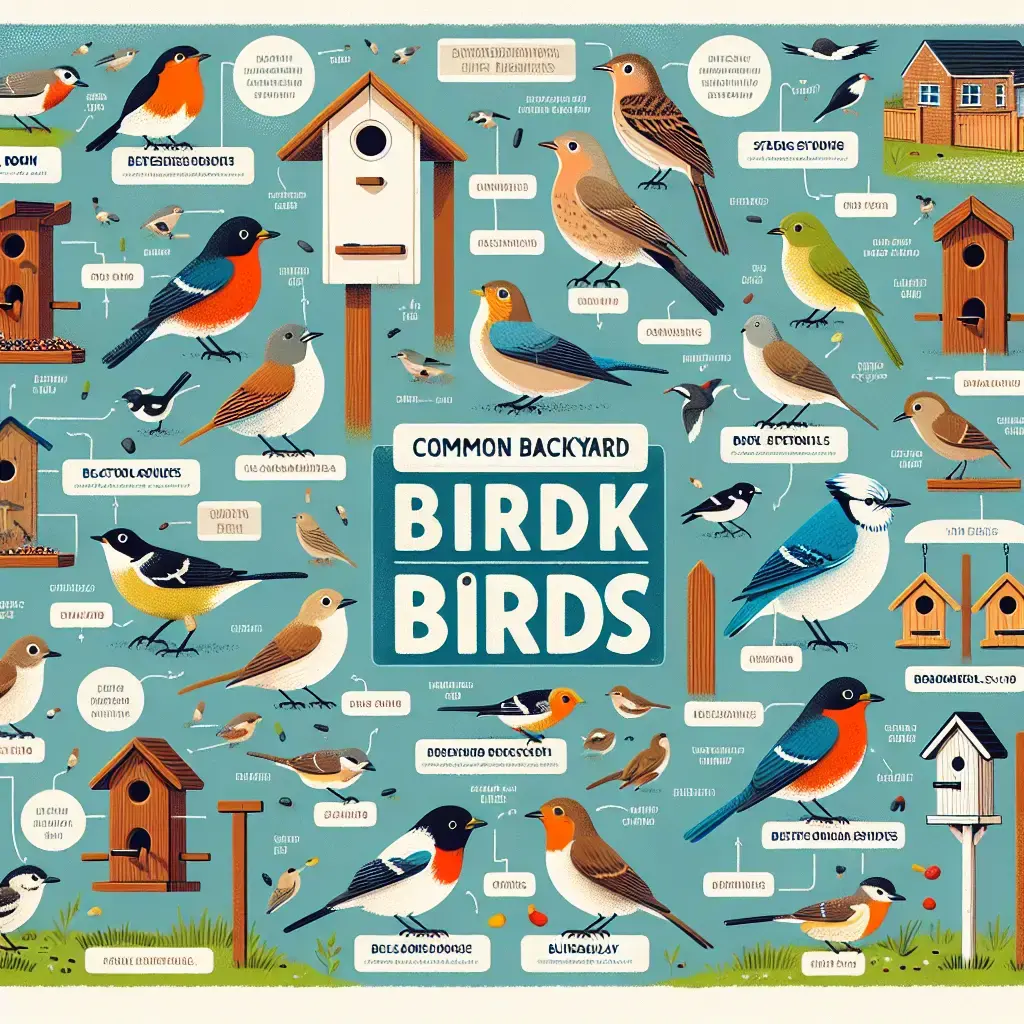
Exploring the World of Backyard Birdwatching
Exploring the world of backyard birdwatching offers a delightful escape into nature's own symphony. Whether you're an experienced birder or just starting out, learning how to identify common backyard birds can transform your garden into a vibrant tapestry of colors and melodies. The journey of bird identification not only enhances your connection with nature but also hones your observational skills, turning a simple glance out the window into a captivating experience.
Birdwatching for Beginners
Birdwatching for beginners is an accessible hobby that requires nothing more than curiosity and patience. With a comprehensive bird identification guide in hand, you can quickly learn to recognize backyard birds. From spotting common birds like robins and sparrows to deciphering the calls of less familiar visitors, this backyard bird guide is your passport to understanding the avian world around you.
The Importance of Backyard Bird Identification
The importance of backyard bird identification goes beyond mere recognition; it enriches your appreciation for biodiversity and offers insights into the delicate ecosystems supported by even the smallest green spaces. With practical bird identification tips and tricks, you'll soon be adept at distinguishing the unique characteristics that set each species apart, whether through their plumage patterns, songs, or behaviors.
Identifying common backyard birds is a fulfilling hobby that connects us to the natural world and enhances our appreciation of local biodiversity. With the right tools and knowledge, even beginners can become adept at recognizing these fascinating creatures. This section will guide you through the essentials of backyard bird identification, enriched with recent updates and insights to make your birdwatching journey both informative and engaging.
The Fundamentals of Backyard Bird Identification
Before diving into the specifics of identifying bird species in your backyard, it's crucial to understand the basic principles of birdwatching for beginners. Observing birds requires patience, a keen eye, and an understanding of certain key characteristics that distinguish one bird from another. Here are some foundational elements to consider:
- Plumage Patterns: One of the most noticeable features when identifying backyard birds is their plumage. Look for unique color patterns, markings, and the overall color scheme that can help distinguish between species.
- Size and Shape: Birds vary significantly in size and shape. Recognizing these differences can be crucial in bird identification.
- Behavior and Habits: Pay attention to how birds move, feed, and interact with their environment.
- Song and Calls: Learning to identify birds by their songs and calls can be one of the most rewarding aspects of birding in your backyard. Apps like Merlin Bird ID from the Cornell Lab of Ornithology can be invaluable for this purpose.
Recent Innovations and Tools for Birdwatching
In recent years, advancements in technology have greatly enhanced the birdwatching experience. Several tools have emerged as favorites among birdwatchers:
- High-Quality Binoculars: A good pair of binoculars remains an essential tool for spotting common birds.
- Bird Identification Apps: Apps such as iBird Pro and Audubon Bird Guide offer comprehensive databases and visual aids to help identify backyard birds quickly.
- Field Guides: A well-regarded bird identification guide like "The Sibley Guide to Birds" offers detailed illustrations and information that can help you recognize various bird species in your backyard.
- Telescopes for Enhanced Viewing: Some telescopes can also be adapted for birdwatching, offering unparalleled views of distant avian species.
Practical Bird Identification Tips and Tricks
To enhance your backyard birdwatching skills, consider these practical tips:
- Create a Bird-Friendly Environment: Attract more birds by planting native shrubs and trees, setting up feeders, and providing water sources.
- Keep a Journal: Documenting your observations in a birdwatching journal can improve your ability to identify backyard birds over time.
- Join a Birdwatching Group: Engaging with local birdwatching communities can provide opportunities to learn from experienced birders.
Case Study: The Effect of Seasonal Changes on Bird Identification
Understanding how seasons affect bird populations is vital for successful backyard bird identification. During spring migration, many species pass through backyards that are not present year-round. Observing these seasonal variations enriches your knowledge and prepares you for spotting common birds at different times of the year.
Engaging with the Avian World
Birdwatching is not just about identifying birds; it's about fostering a deeper connection with nature. By learning how to identify birds in your backyard, you're participating in a global community dedicated to appreciating and conserving avian species. Citizen science projects like eBird allow enthusiasts to log their sightings, contributing valuable data to ornithological studies worldwide.
Conclusion: Embrace the Art of Backyard Birdwatching
Embarking on the journey of backyard birdwatching opens up a world of wonder and discovery, allowing you to connect deeply with nature right at your doorstep. With the right tools and knowledge, even a beginner can uncover the mysteries of local avian life. Let's recap the essentials to enhance your birdwatching experience:
- Plumage, Size, and Shape: Start by noting the distinct color patterns and physical characteristics of birds.
- Behavioral Insights: Observe how birds interact with their environment.
- Melodic Calls: Hone your skills in recognizing birds by their songs and calls.
- Technological Tools: Leverage advancements in technology such as high-quality binoculars, bird identification apps, and adaptable telescopes.
- Seasonal Awareness: Be mindful of seasonal changes that affect bird populations in your area.
Creating a welcoming habitat in your backyard not only attracts more birds but also supports biodiversity. Keeping a journal sharpens your identification skills over time. Moreover, joining birdwatching groups or citizen science projects like eBird can enhance your understanding and contribute to valuable research.
As you delve deeper into this fulfilling hobby, remember that birdwatching is not solely about identifying species; it's about appreciating the symphony of life that unfolds around you. Each sighting enriches your connection to the natural world.
I invite you to share your birdwatching adventures and insights. What new species have you discovered? How has this journey enriched your understanding of nature? Your experiences could inspire others and foster a vibrant community of nature enthusiasts.
Happy birdwatching!
Warm regards,
Grace Beaumont