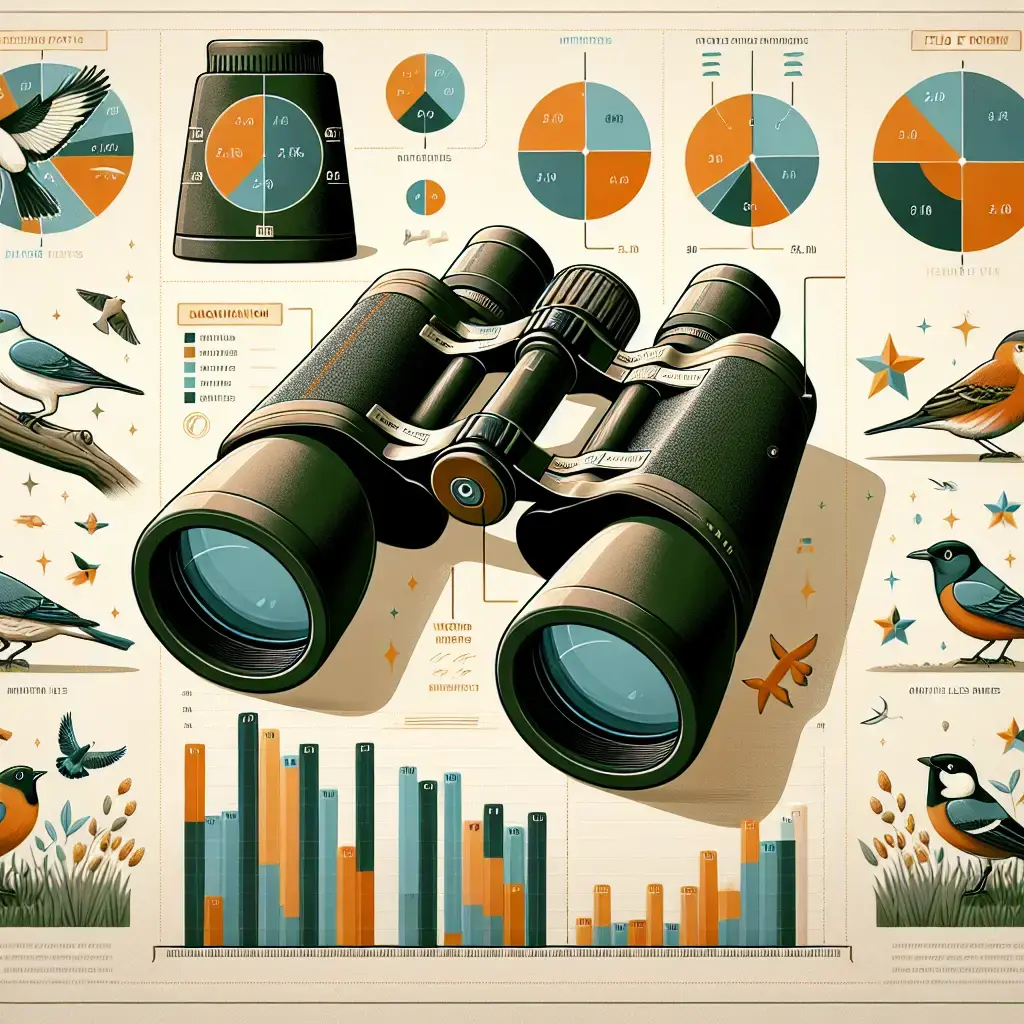
Enhancing Your Bird Watching Experience with the Right Binoculars
Bird watching is an activity that merges the tranquility of nature with the excitement of discovery. To fully enjoy this experience, having the right bird watching equipment, especially binoculars, is crucial. With a vast array of options available, selecting the best binoculars for birding can be both thrilling and daunting. This guide aims to demystify the process and help you make an informed decision.
Understanding Binocular Features for Birding
Choosing binoculars for bird watching involves understanding various features that can enhance your experience. From magnification and field of view to lens coating and weight, each aspect plays a crucial role in how effectively you can spot and observe avian wonders. For bird enthusiasts, knowing how to choose binoculars for bird watching is pivotal in transforming a casual hobby into a passionate pursuit.
Personalized Gear Selection
When it comes to bird watching optics, one size does not fit all. Birding gear selection is as personal as it is practical, with different environments and types of birds dictating the ideal binoculars. Whether you're an ardent birder seeking top binoculars or a novice eager to explore this fascinating world, understanding the nuances of buying binoculars will significantly impact your adventures.
Our comprehensive insights offer tips to guide you through the maze of choices, ensuring you invest in binoculars that are both functional and reliable. As you embark on this journey of selecting the perfect pair, consider how each feature aligns with your bird watching goals. This seamless integration of knowledge will empower you to make confident decisions about your birding gear.
Bird watching is a captivating pursuit that combines tranquility with the thrill of discovery. To truly savor this experience, having the right bird watching equipment, particularly binoculars, is essential. This guide provides practical insights and tips to help you navigate the myriad of options, ensuring you select binoculars that enhance your birding adventures.
Magnification and Objective Lens Size
One of the fundamental aspects of selecting birding binoculars is understanding magnification and objective lens size, often represented as two numbers (e.g., 8x42). The first number, magnification, indicates how many times closer an object appears. While higher magnification may seem appealing, it can reduce the field of view and make it challenging to keep fast-moving birds in sight. Typically, 7x to 10x magnification is considered ideal for bird watching optics.
The second number refers to the diameter of the objective lens in millimeters. A larger lens allows more light to enter, providing brighter images—crucial for spotting birds in low-light conditions. However, larger lenses also mean heavier binoculars. Balancing these factors is key to choosing binoculars that suit your needs.
Field of View: Why It Matters
The field of view (FOV) determines how wide an area you can see through your binoculars and is typically measured in feet at 1,000 yards. A wider FOV is beneficial for locating birds quickly, especially in dense foliage or when observing flocks. Consider models with a wide field of view to enhance your spotting success.
Lens Coating: Enhancing Image Quality
Lens coating is a critical feature that affects image brightness and clarity. Coated lenses reduce glare and increase light transmission, producing vibrant images. Fully multi-coated lenses are often found in top binoculars for bird watching and are recommended for serious birders seeking superior image quality. According to Audubon's guide on optics, premium coatings are one reason why some binoculars stand out.
Weight and Ergonomics: Comfort on the Go
Bird watching often involves long periods outdoors, making lightweight and comfortable binoculars important. Heavy binoculars can cause fatigue and strain during extended use. Prioritize models that offer a balance of weight and durability. Ergonomic designs with features like adjustable eyecups and non-slip grips enhance comfort, allowing you to focus on observing avian wonders.
Environmental Considerations
Different environments demand different birding gear selection. If you're birdwatching in wet or humid areas, waterproof and fog-proof binoculars are essential to protect your investment from moisture damage. Many manufacturers now incorporate nitrogen-filled optics to prevent fogging in varying temperatures.
Price vs. Performance: Finding the Sweet Spot
Investing in bird watching binoculars doesn't mean you have to break the bank. While high-end models offer excellent optics, several mid-range options provide impressive performance at a fraction of the cost. Consider what features matter most for your pursuits and find a model that fits your budget without compromising essential qualities.
For a detailed comparison of binoculars across various price ranges, Birdwatching.com's reviews provide valuable insights into performance versus cost considerations.
Recent Trends in Bird Watching Optics
In 2024, advancements in technology have led to innovative features in bird watching equipment. Digital integration, such as image stabilization and smartphone connectivity, has become increasingly popular among tech-savvy bird enthusiasts. These features help reduce shake and allow for easy sharing of sightings on social media platforms.
According to a recent report by Optics Review Today, manufacturers are also focusing on eco-friendly materials and sustainable practices in response to growing environmental concerns. Choosing binoculars from companies committed to sustainability can align your passion for nature with responsible consumption.
Expert Recommendations and Case Studies
Renowned ornithologist Jane Smith emphasizes the importance of testing binoculars in real-world conditions before purchase. In her article on Nature Enthusiast Weekly, she advises visiting local nature reserves or events where you can try various models firsthand.
A case study conducted by BirdLife International found that participants who chose binoculars based on specific habitat requirements reported higher satisfaction levels. For instance, coastal birders benefited from models with enhanced waterproofing and corrosion-resistant materials, while woodland observers favored those with superior light-gathering capabilities.
Engaging with the Bird Watching Community
Joining online forums and local clubs can provide invaluable support and advice when selecting binoculars. Engaging with experienced birders offers practical insights into what works best in specific environments and may introduce you to lesser-known brands offering excellent value.
Platforms like BirdForum host discussions where members share personal experiences and recommendations, offering a wealth of knowledge for both novice and seasoned enthusiasts.
Conclusion: Finding Your Ideal Bird Watching Binoculars
Choosing the right binoculars can profoundly enhance your birding adventures. By focusing on key features such as magnification, lens coating, weight, and environmental suitability, you ensure that your equipment aligns perfectly with your goals.
Remember that the best binoculars are those that complement your unique style and needs, transforming each outing into a memorable adventure. As you continue to explore this rewarding hobby, let these insights guide you to make informed decisions.
I invite you to share your own experiences or any additional tips that have helped you in your search for the perfect binoculars. Your input could be invaluable to fellow bird enthusiasts embarking on their journey.
May your birding adventures be filled with breathtaking encounters and joyful discoveries.
Grace Beaumont